About Cameron Tunstall

265-400 SBC, third generation F-bodies, anything Oldsmobile... and a little modular 2V as well.

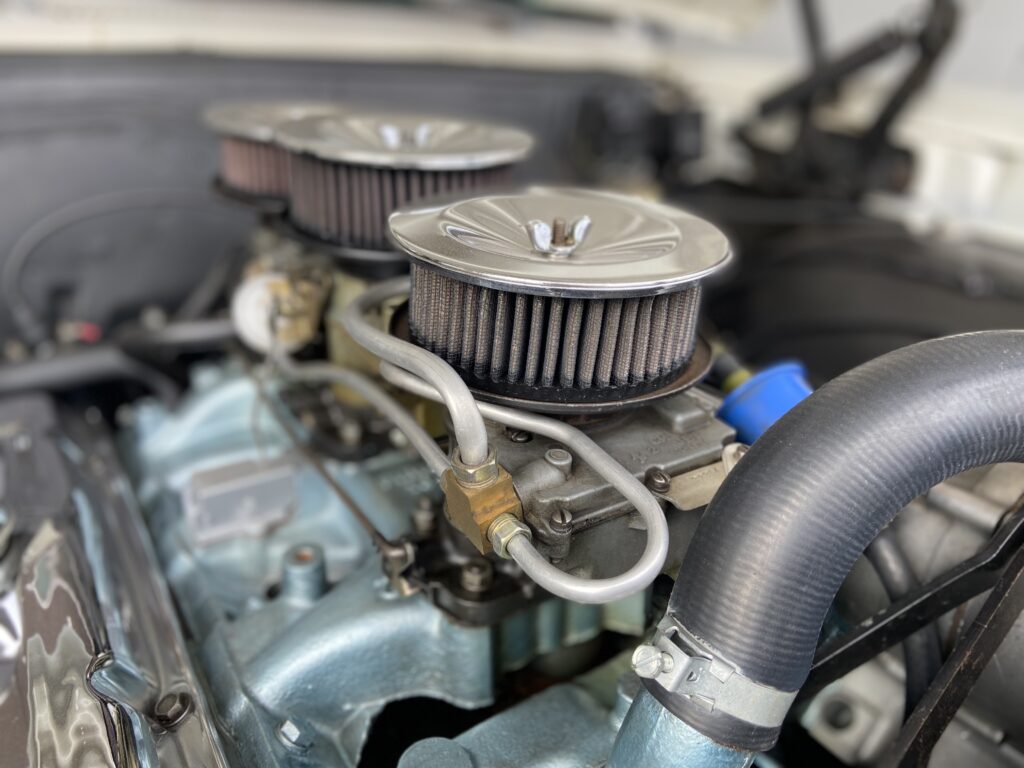
1966 Pontiac GTO – Barrett-Jackson 2023

Being an Oldsmobile fanatic, I subscribe to the theory that the 1949 Rocket 88 with it’s 135hp, 303 cubic inch OHV V8 is the original muscle car. To many others the original muscle car is the Pontiac GTO, and I can’t say that I have a good reason to disagree. The formula is simple: Take a mid-sized car and stick the larger engine from the full-size car in it. Add a couple extra go fast parts and a stick shift and you’re literally off to the races.

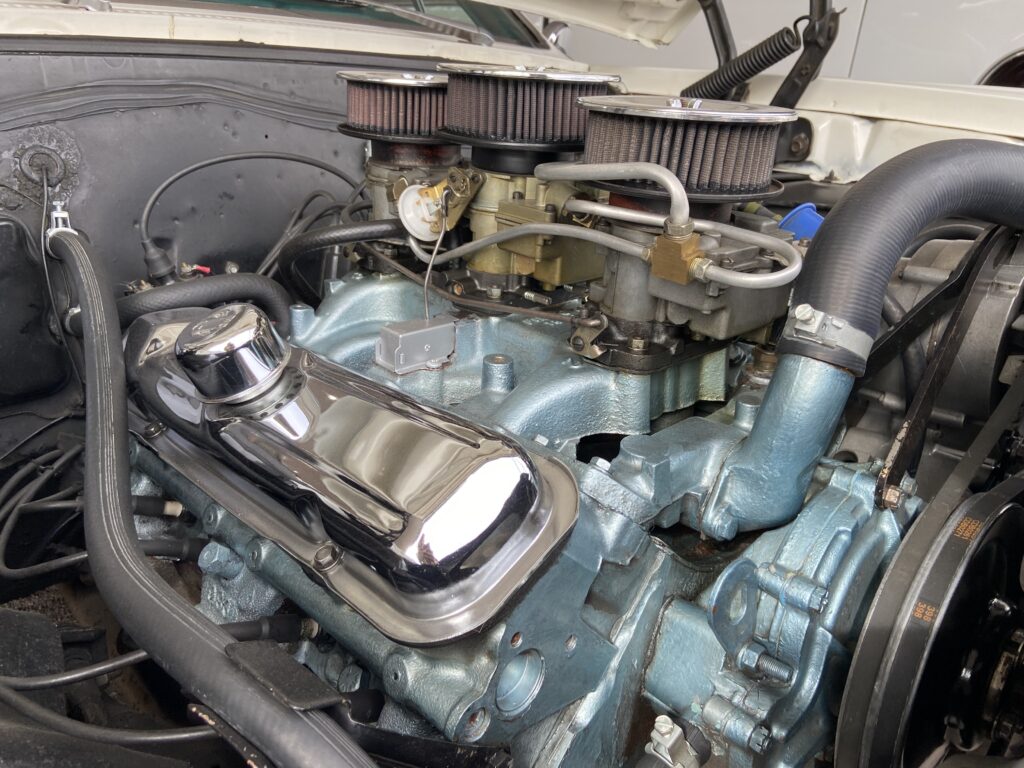
The Pontiac GTO began life in the early 60’s as a trim model of the Pontiac LeMans/Tempest. Using a creative loophole that circumvented the rule GM had about maximum displacement in midsized cars, Pontiac utilized the 389 V8 and offered it as the GTO option. I think that the Hurst 4-speed manual and tri-power carburetor setup on the 389 is the epitome of factory muscle car, and this 1966 model is the last year you could get this pairing. It was good for a gross rating of 360hp, and that could get you to the end of the 1/4 mile in 14 seconds flat.
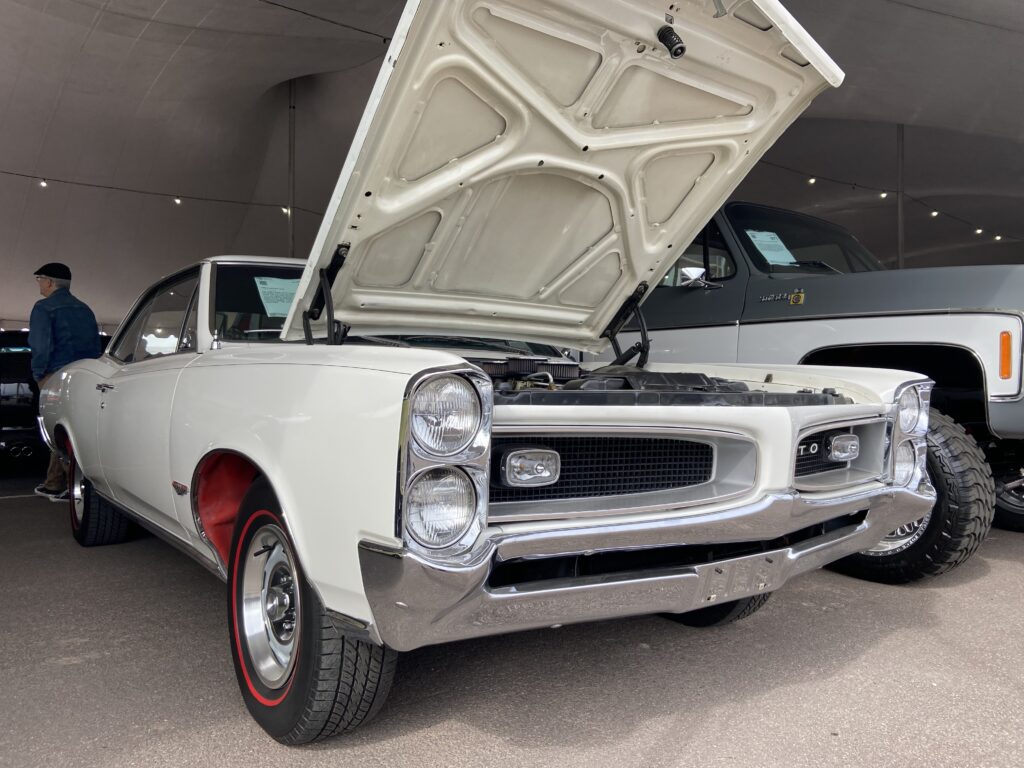
Speaking of options, the ’66 GTO was also the first production car with a plastic grill, and this particular model came optioned with a 3.55:1 limited slip differential as well as the “Ride and Handling” package.

The GTO peaked in 1970 with the 455HO model and performance would be downhill until the GTO was relegated to a trim package on what was a badge-engineered Chevy Nova. The X-body platform Ventura took on the GTO name in 1974. An unceremonious end to the spark that ignited the muscle craze, this model would option the car with a 3-speed manual and 200hp V8.
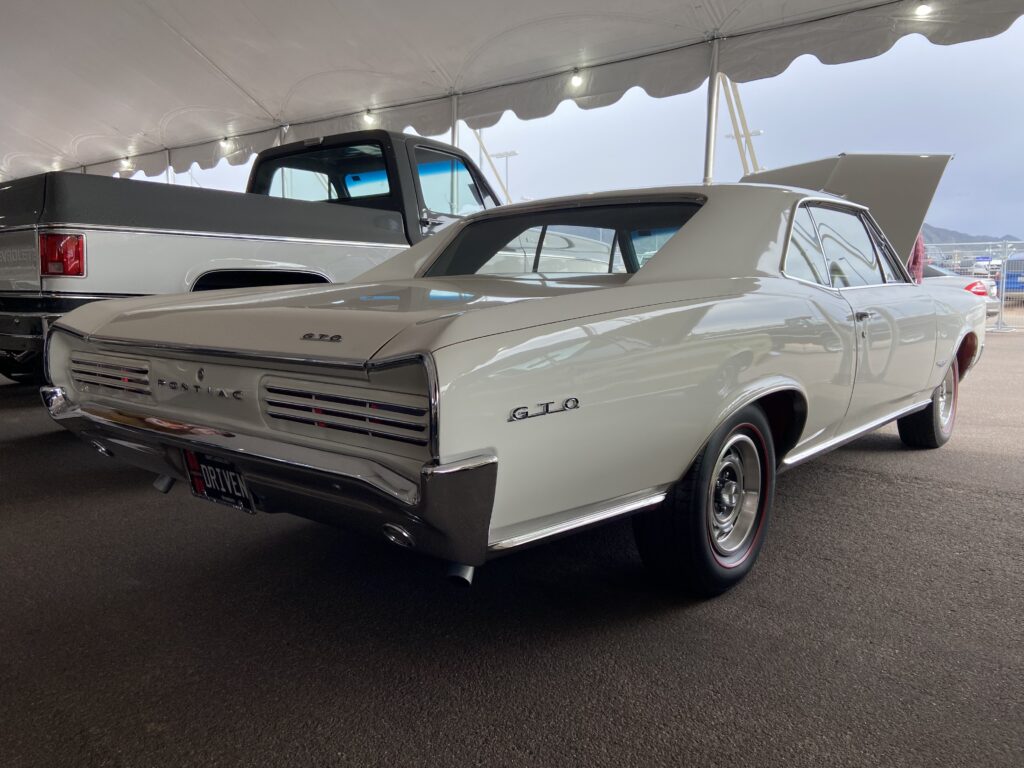
Pontiac would then shelve the name, reviving it decades later for the Holden Monaro imports that lasted a couple years. Say what you will about the exterior styling, even the lesser 350hp 2004 GTO would lay waste to any prior car to bear the namesake. However it only remained in production in the US market until MY2006. Pontiac itself was retired not too long after in 2010.

This particular Goat was retired from the auction block at $66,000.
1984 Chevrolet Corvette – Barrett-Jackson 2023

The transition from the C3 Corvette of 1968-1982 to the C4 Corvette of 1984-1996 was a bit of a production palpitation for Chevrolet’s flagship sportscar. Model year 1983 essentially didn’t exist and when the 1984 model finally came out it had a modern exterior and interior, new chassis and a novel 4+3 computer-controlled manual transmission with automatic overdrive.

…and also the pathetic Crossfire 350 engine carried over from the C3 Corvette. This 5.7L housed a camshaft that would soon make the 5.0L a serious performer in the third generation F-bodies. It was also topped off with a combined 750 CFM from the TBI units. By 1980’s standards this should have been a recipe for decent power. Instead RPO L83 with it’s convoluted dual-TBI cross-ram was the impetus of the bad reputation that the fourth generation Corvette received.

So how did we end up with just 205hp at 4,300 RPM? Many blame the flow potential of the intake itself, with obstructed peanut ports limiting the airflow to less than 500 CFM before it hit the heads. I would also speculate that the factory 624 heads with their low-velocity ports and primitive chamber design play a large factor in the motors gutless reputation.

That being said I have slowly come to appreciate the idiosyncrasies of the Crossfire 5.7L, even if only for it’s unique intake design and boxy cover. For performance purposes we can be thankful it was only available in the C4 for 1984. From 1985 to 1996 the TPI, LT1, LT4 and LT5 variants would emerge: Engines that would restore the Corvette’s reputation as the ultimate American sportscar. This was the generation of the naturally aspirated, all aluminum, 32-valve 405hp V8. The King of the Hill.

A hill that started as a mound back in 1984 with a paltry 205hp.

This particular 1984 C4 Corvette with it’s 700r4 automatic overdrive and 16,000 original miles finished it’s auction run at Barrett Jackson Scottsdale topping out at $13,200.

1993 Porsche 968 – Barrett-Jackson 2023

In the US market the Porsche 968 has much less notoriety than it’s other front-engine/rear-drive, water-cooled brethren. It is essentially a final hurrah to the 924/944 platform, but with an updated exterior sharing a lot of design cues from the 928.

The 968’s naturally-aspirated 3.0L inline four was good for an impressive 237hp thanks to a variable cam timing system and some tuning, a 30hp increase over the 944 S2. Keep in mind you were still paying for a Porsche and this car would set you back nearly $40k in the economy of the early 90s, about 3x the cost of a Ford Mustang Cobra.

This particular example seen at BJA Scottsdale came with the desirable 6-speed manual, good for a 0-60 of 6.5 seconds. It was also equipped with power driver’s seat, power windows and air conditioning as well as Moton Clubsport adjustable suspension.

What does all of this add up to in 2023 money? This entry level Amazon Green N/A 4-cylinder that could straight-line with the best of it’s era’s pony cars crossed the auction block at $25,850.


SEMA 2022 – 1971 Cheyenne C-10

Meticulously designed by Kevin Webb and assembled by Hot Rod & Custom Garage this 1971 C-10 is tribute to Kevin’s father. Already an award-winning truck this vehicle was entered in consideration for the 2022 SEMA “Battle of the Builders”.
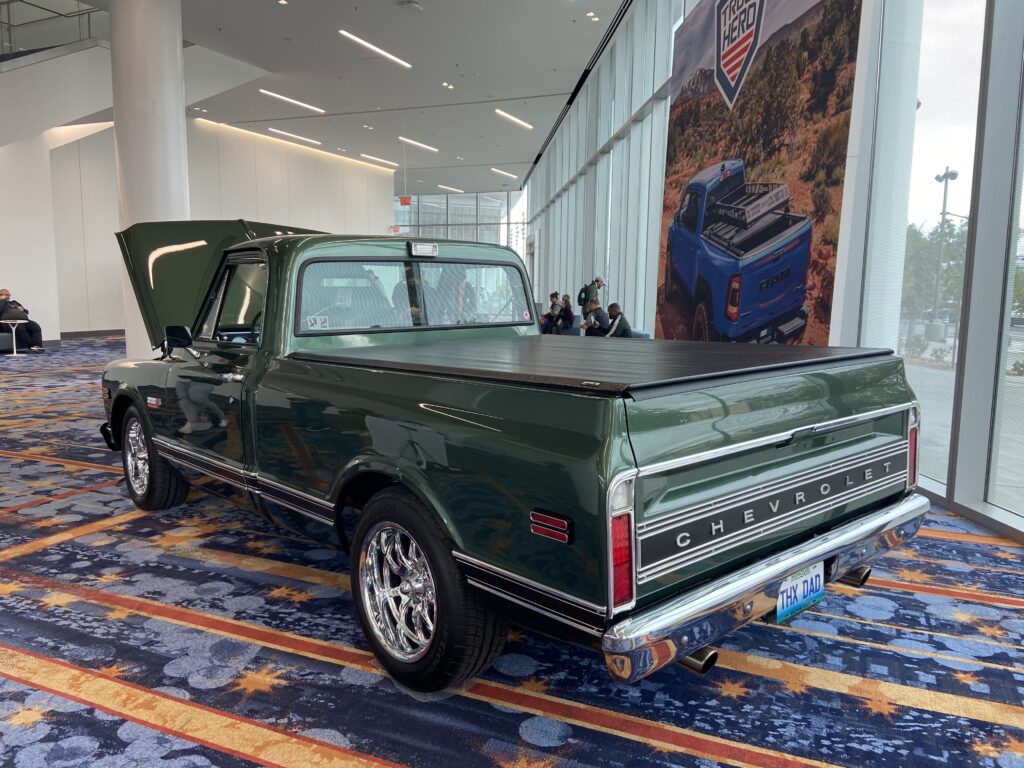
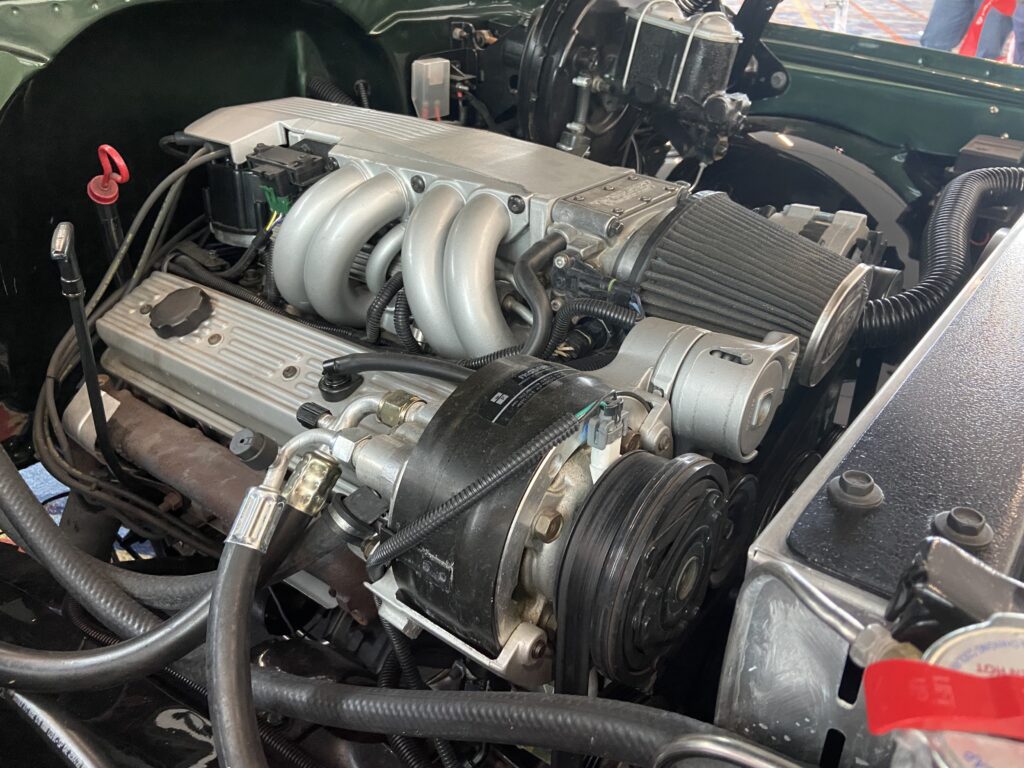
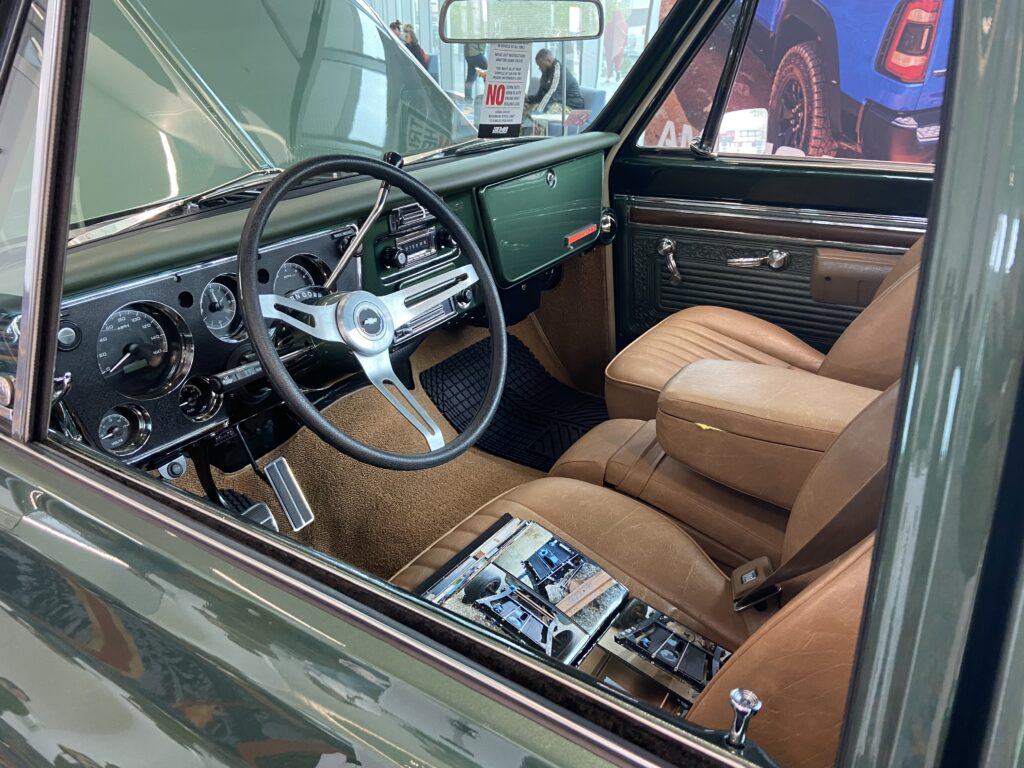
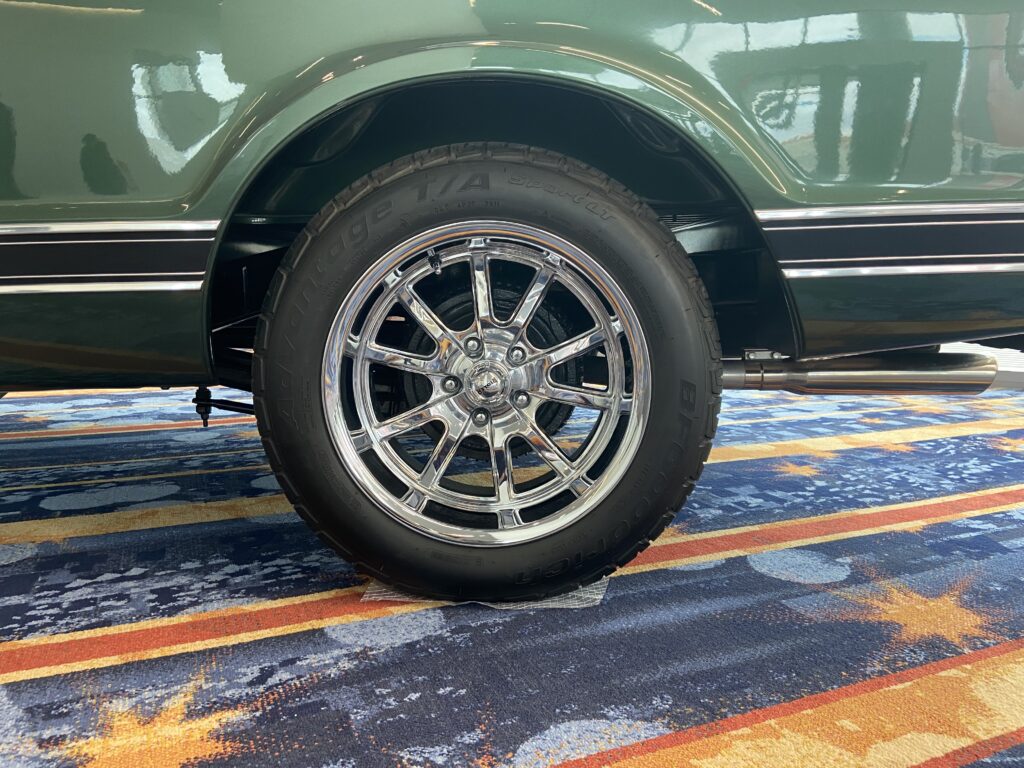
Featuring a Vintage Air system, Dakota Digital dash cluster, CPP suspension and Ridler wheels what really drew me to this truck was the instantly recognizable TPI intake manifold sitting on top the small-block powered pickup.

As a Chevrolet fan nearing his 40’s, there was a time when I remember the TPI as the hot thing. Sure, shortly after there was the LT1, however it’s design was exotic by comparison. It’s non-traditional distributor location and reverse-cooling that required some creative welding skills that were beyond the everyman. The TPI could bolt to any SBC from the 265 to the 400 and would instantly modernize its appearance with it’s namesake tuned port runners and fuel injection system.

There are now so many options for fuel injection for the small block Chevy on the market. That’s also ignoring the fact that even seeing a tradition first generation small block Chevy is becoming more of a rarity these days. That makes this TPI setup in this custom built 1970s pickup truck a nostalgic charmer.

SEMA 2022 – 1948 Chevrolet Stylemaster

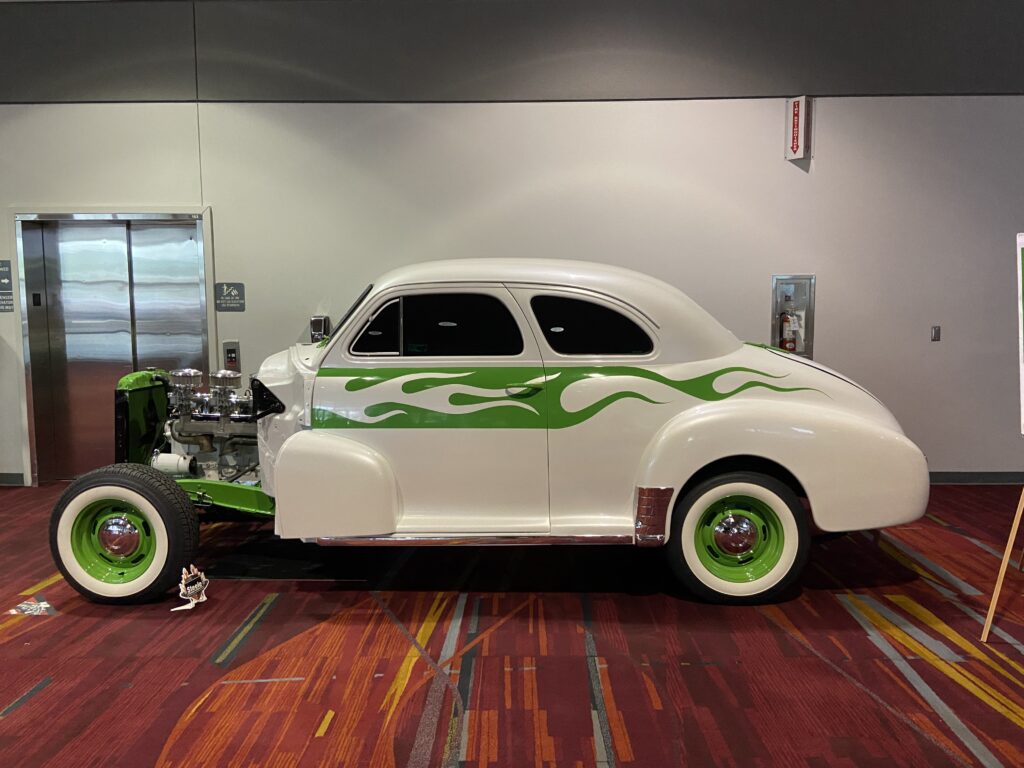
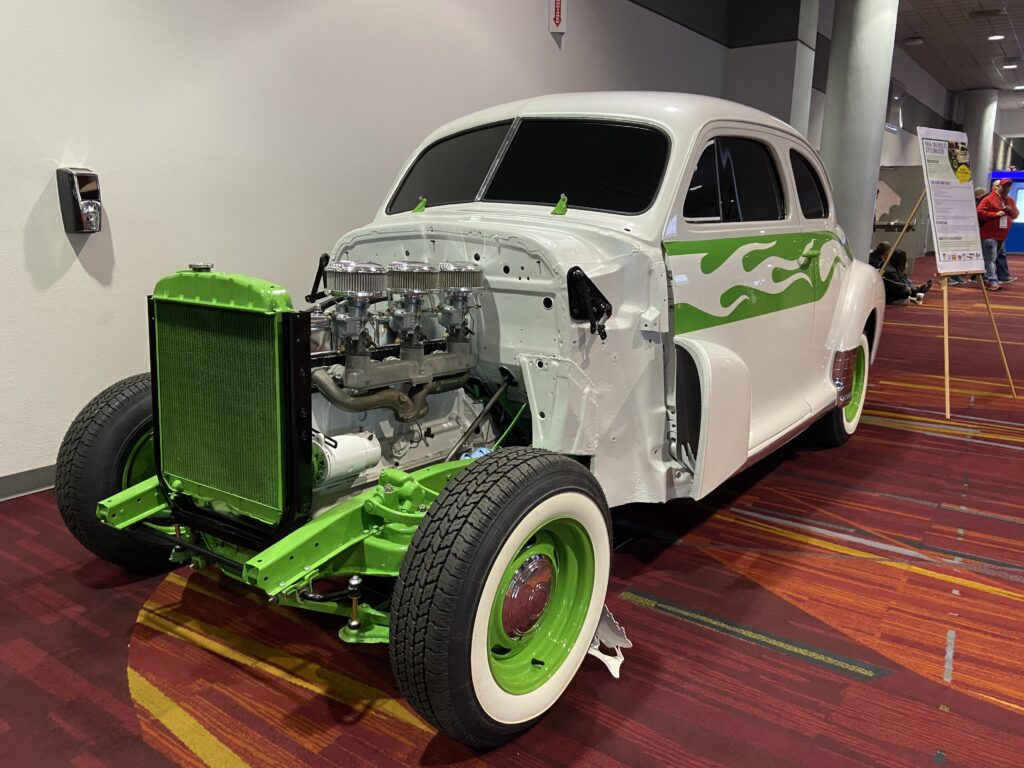
Via Hylton Automotive, this vintage Chevrolet is referred to as “The Every Man’s Build” constructed from a vehicle donation to Hylton High School of Woodbridge, VA in 2019. What can a high school every man construct? No less than a hotrodded, frame-up restoration.

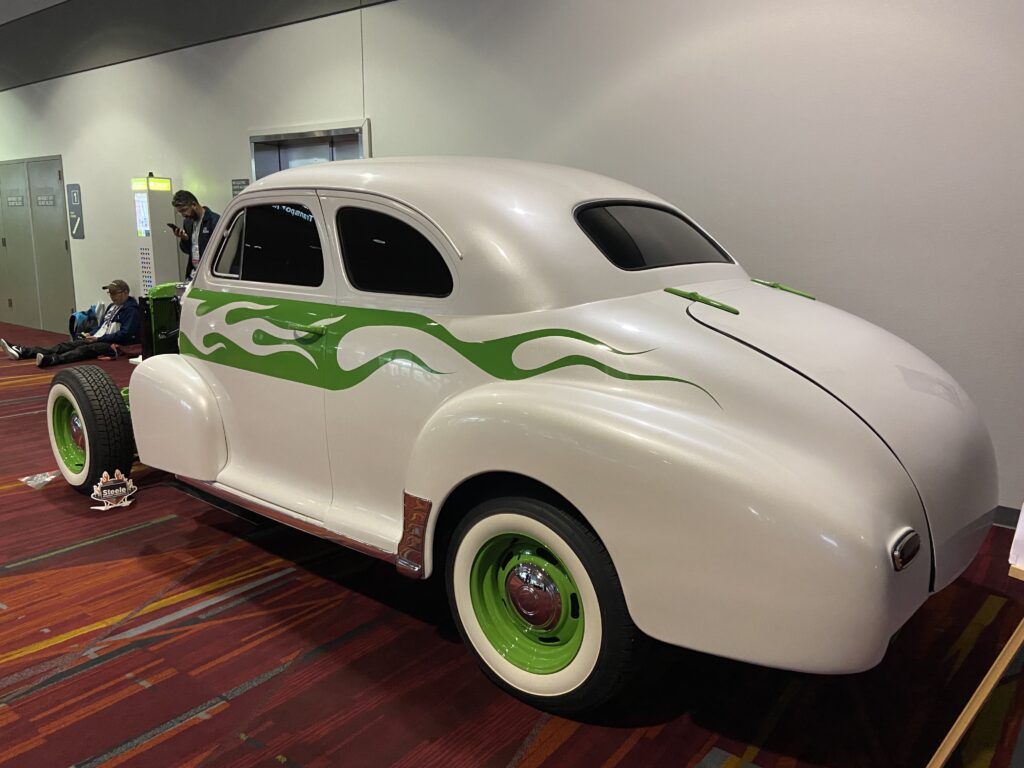
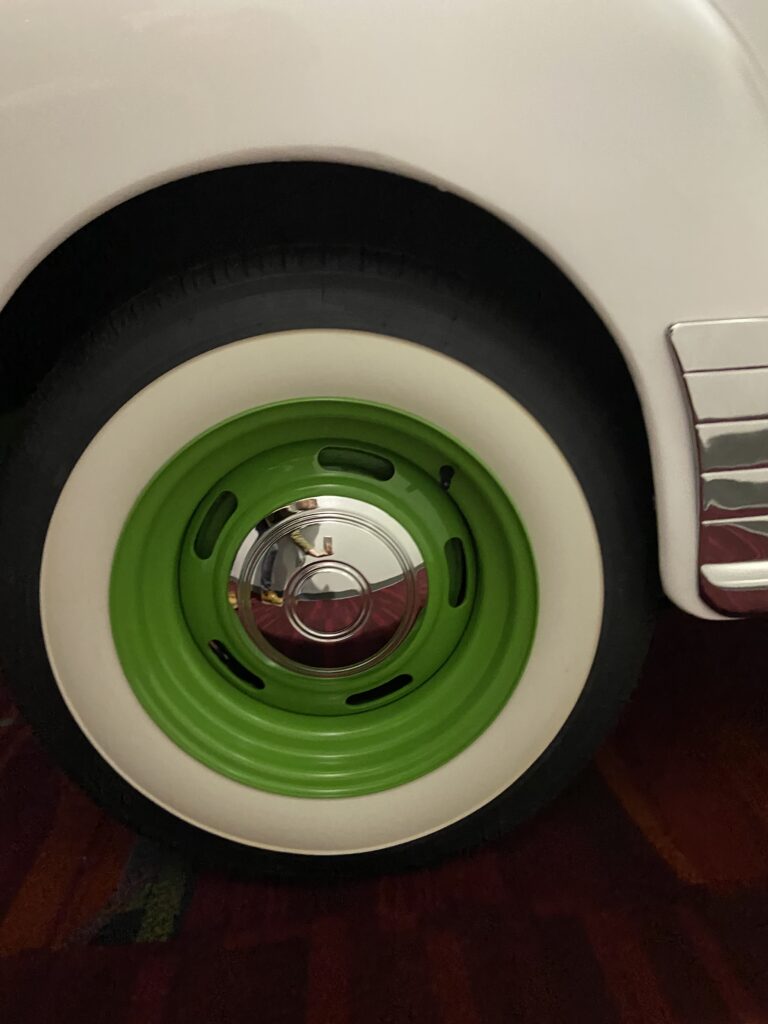
The distinct lime green and white paint scheme draws your eye to what Hylton is calling a work-in-progress. I’m not sure who the brainchild is of this build but their is no denying their taste in building a cool and budget-friendly custom.

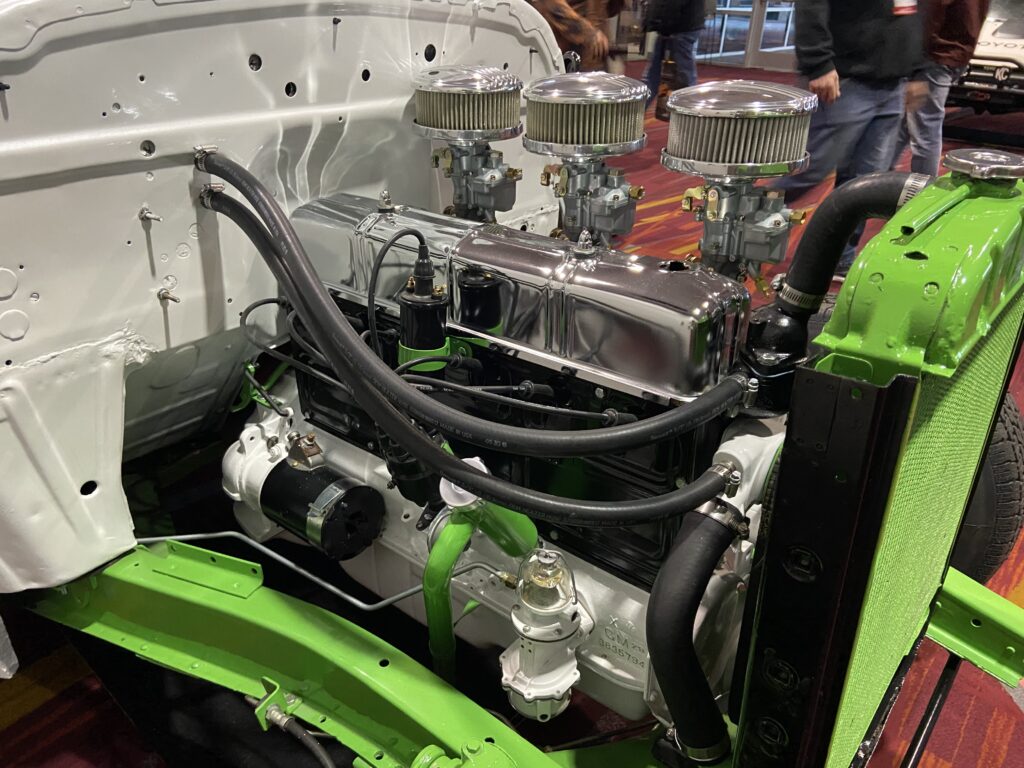
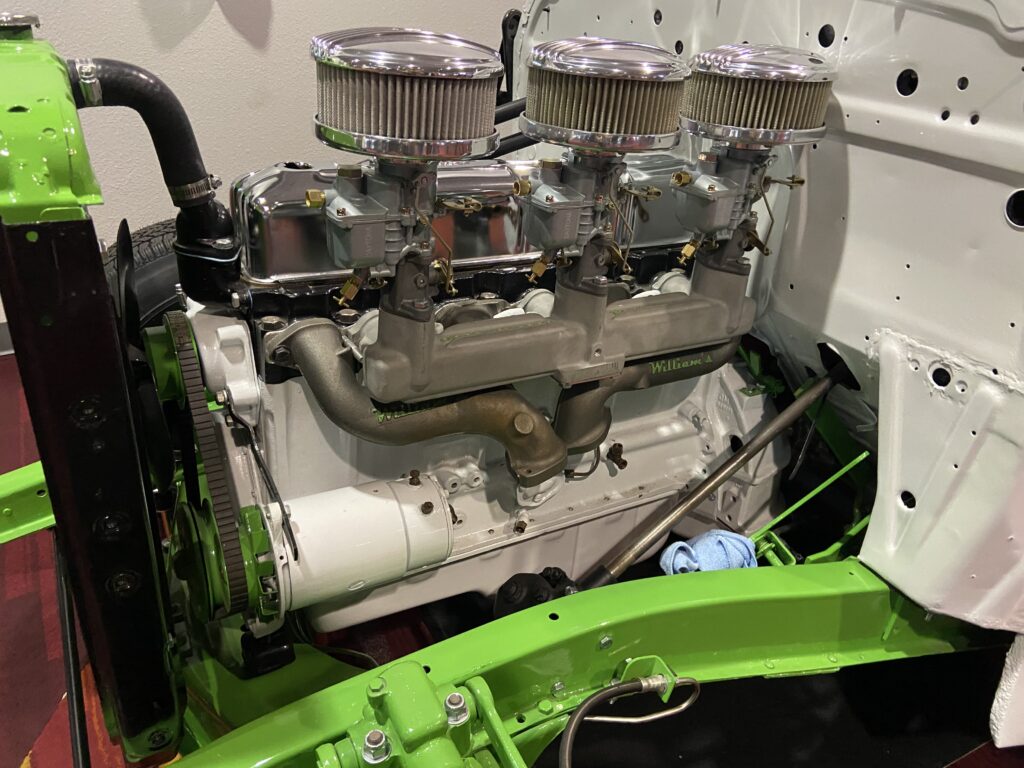
The tri-power intake on the original 216 inline 6, feeding an engine that exits through a split-manifold into a planned dual exhaust. With barely more than 200 cubes being fedby three carbs on a log manifold I can assure you it will not be the fastest car at the SEMA show but it makes up for that with loads of charisma.

Hylton mentions their sponsors as well and since these companies are supporting these up-and-comers I feel that we should give kudos to Steele Rubber Products, LKQ, Chevs of the 40s, Tenneco, Advance Auto Parts, Scat, AFR, Spark, Carquest, Safelite, Hot Rodders of Tomorrow, Procar and Coker Tire.

This Chevy embodies the original hot rod ethos and encapsulates a time where you did what you could with what you had. The DIY aesthetic lives on and is created in the hearts, minds and hands of the next generation of builders. Keep building Hylton High.

SEMA 2022 – 1970 Cutlass SX 455

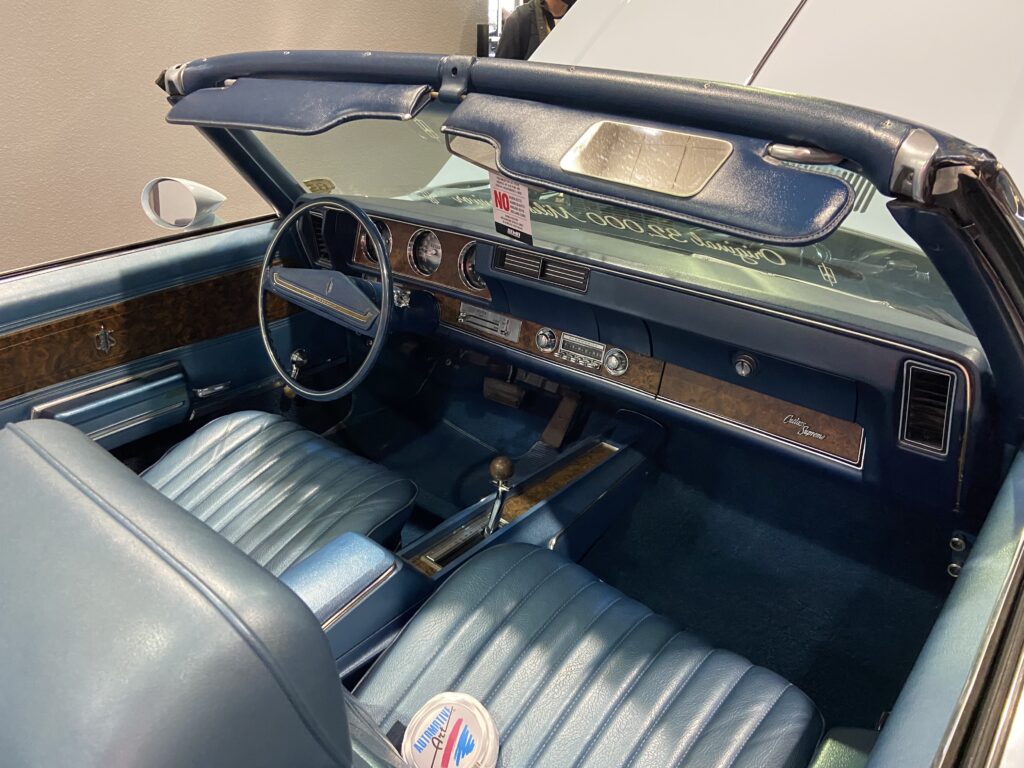
Brought to us by T&D Motorsports this extremely rare 1970 Oldsmobile Cutlass SX 455 convertible is something I would have expected to find at our local Scottsdale Barrett-Jackson auction.

Originally ordered by Rice Oldsmobile in Fort Wayne, IN this piece of classic Detroit design was purchased by Tim Leffler for $4,283.00 and he has owned it ever since. It still features the original drivetrain and has only 32,000 miles on the odometer.

The SX is a small footnote in Oldsmobile history. Essentially you could order a Cutlass that contained some of what made the 442 great with the impressive torque of the 455 cubic inch Olds mill. What kept it from being a true 442? No four-speed transmission, instead optioning with the automatic and a lesser ring and pinion set in the rear. You also sadly gave up the four-barrel carburetor, instead opting for a two-barrel unit. Dual exhaust however remained intact. I guess 232 didn’t have the same marketing oomph that the performance moniker had, and as a result we ended up with “SX”

To someone accustomed to seeing the top performance models showcased at a car show, perhaps an automatic, 2-bbl, convertible Cutlass isn’t ideal performance… But it sure beats the 307 V8 that was found in every RWD Olds product 20 years later.