RML Short Wheelbase Pays Tribute to Ferrari 250 GT Berlinetta SWB

There are a lot of folks in the world who would love to own a Ferrari 250 GT Berlinetta SWB. The problem is that only 176 examples were built. These cars do not come up for sale very often and when they do, the prices are well into the $5-8 million range.

Have you ever wondered what a modernized version of this legendary GT racer might look like? Well, UK-based RML Group has done just that. They have created the RML Short Wheelbase, a 21st-century version of the famous high performance road car.

Inspired by the 250 SWB, the RML Short Wheelbase is a bespoke, ultra-low volume car executed to the highest possible standards. The car is limited to 30 units worldwide, each one finished to the customer’s precise requirements, and priced at $1.35 million pounds plus taxes.

So what do you get for your money? You get a car with a 485 bhp Ferrari V12 engine, mated to a six-speed manual gearbox with open gated transmission, for pure driving enjoyment.

This magnificent engine is packaged in a carbon fiber body that blends classic form with contemporary function. Though it has the look of a vintage racer, it does not require a specialized mechanic to adjust the carburetors every year.

The car features ample leg and headroom even for 2m (6 ft) occupants. A hidden navigation system, air conditioning, and modern stereo with smartphone connectivity and Apple CarPlay are also standard on the RML Short Wheelbase.

I saw this gorgeous blue car on display outside the Portola Hotel during Monterey Car Week 2022. It looked absolutely stunning under the cloudy Monterey skies. It is amazing how a few small changes like flush mounted glass, deleting the split chrome bumpers, and current lighting and wheels can really modernize a car.

For the lucky few who will own one of these cars, they get to enjoy an amazing car that is a capable driver as well as a piece of art. Without having driven it, I think that this car is more comfortable, more reliable, and also more affordable than the real 250 GT it is based on. That makes it a winner to me.

“Green With Envy” – 1994 Mercury Cougar – AZ Facebook Marketplace

Being able to make the most out of what you have. Modifying something to make it more fun and unlocking some kind of hidden appeal. There exists very few rear wheel drive, two-door cars that are still within the reach of someone looking for a running car that can provide cheap thrills. It appears that the lesser of the MN12 chassis still flies under the radar.

Yes, the questionable green-on-green color scheme is a throwback to malaise domestic market. But if you’re willing to look past the color and aerodynamic treatment that quietly echoes the old fox-body Cougar’s design you will find an interesting package: The same IRS found in it’s chassis mate the Lincoln Mark VIII. This time in iron instead of the Lincoln’s aluminum construction. The 4R70W 4-speed automatic, which is a huge step forward for reliability from the old AODs that the previous 5.0L cars were saddled with. As well as a 205hp SOHC V8 that is one of the better-sounding engines after maybe the 5.0L HO itself.

There are junkyards full of PI-headed Panther cars for those looking for more power, however living in a world where Toyota has been churning out a 14-second v6 Camry for at least a decade it seems a moot point. That being the case, why would you even bother with this car? Because there is an element of cool that cut springs, Flowmaster rumble and rear-wheel burnouts that can’t be replicated by a Camry. Even the fastest Tesla just doesn’t have the same old school charisma found just under the unassuming and obnoxiously green surface.

In a previous life it may have shuttled grandma to Bingo night, still bearing the permanent UV scar in the dash from where the fit-over sunglasses used to rest following a cataract surgery. Maybe it still smells a little like Chanel no. 5 and Metamucil farts, but that’s not anything a set of test pipes can’t fix.

Beware of cat.


1963 Volvo P1800 Restomod Ford V8 Swapped

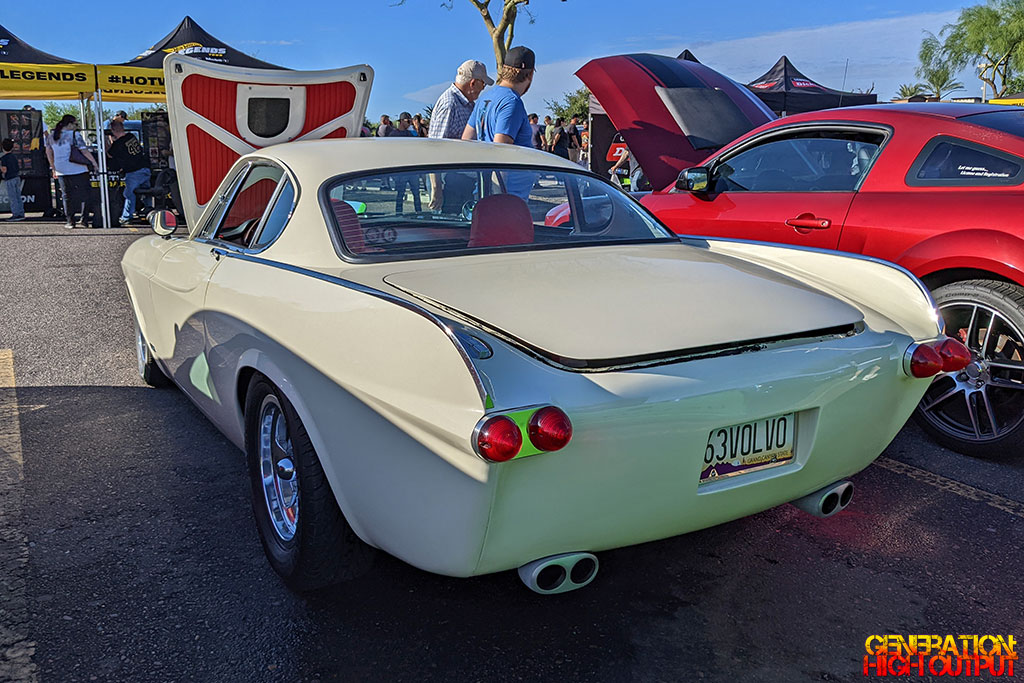
The Volvo P1800 is a beautiful example of Swedish design and aesthetic. The car’s lines look as graceful and elegant today as they did when the car debuted in 1961.

This P1800 located in Arizona has been given the full restomod treatment.

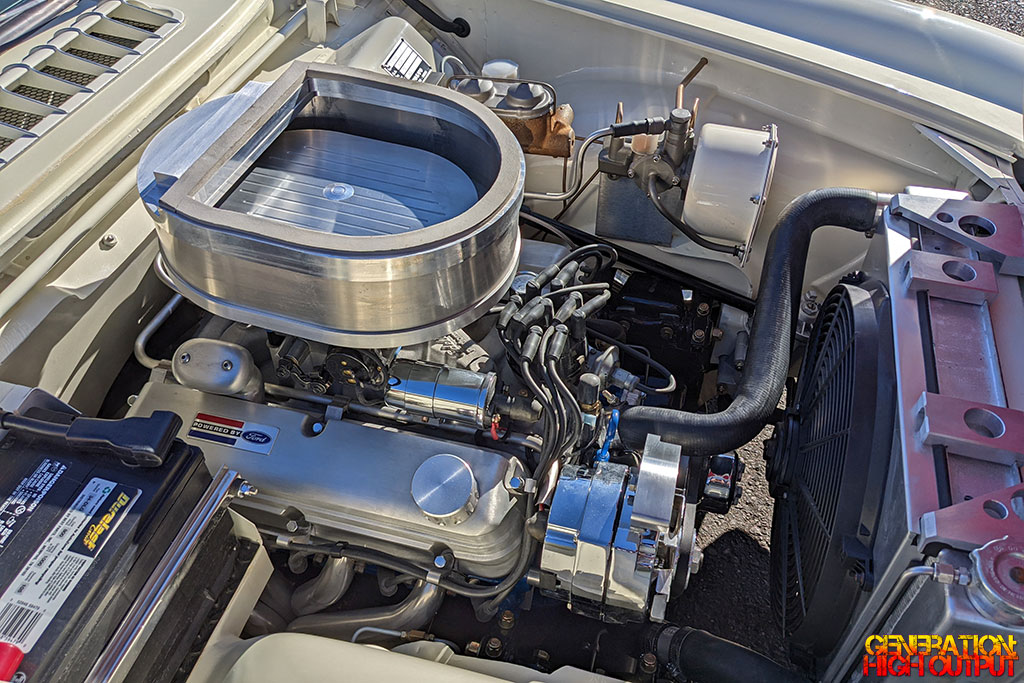
The original 1.8L engine has been replaced by a small block Ford V8 engine under the hood. A set of stainless headers and an Edelbrock intake adorn the engine, which sits beneath a custom air intake. An oversize aluminum radiator and electric fan help keep this thing running cool. Power is delivered to the rear wheels via a manual gearbox.

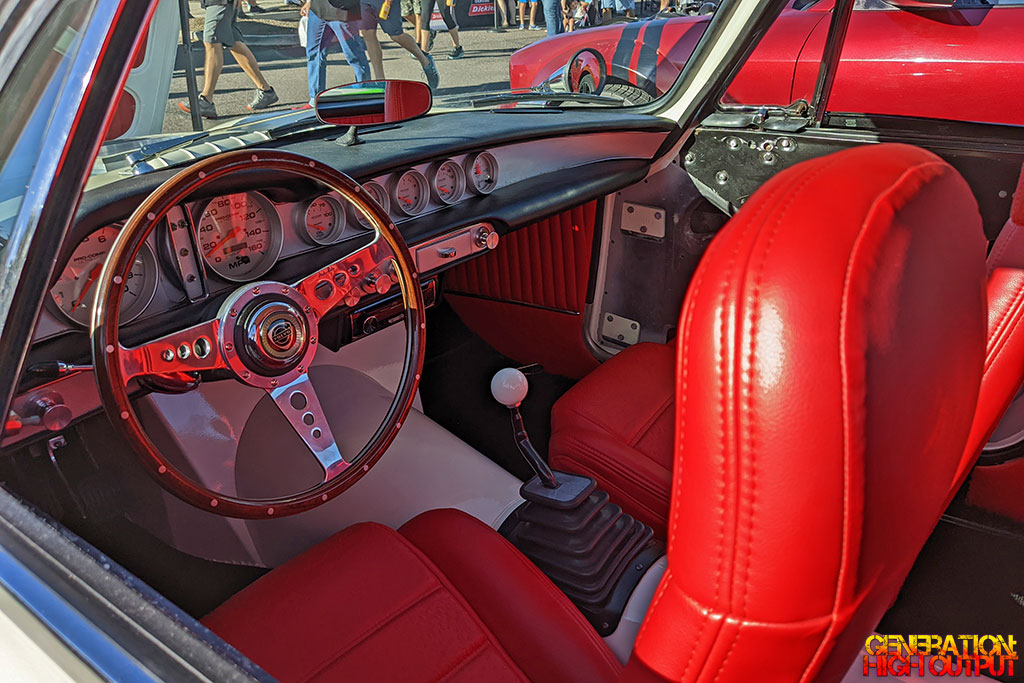
The exterior is a light gray-ish color over a vibrant red interior. A full set of Auto Meter Pro Comp gauges are beautifully integrated into the original dashboard, which sits behind the wooden steering wheel.

The seats, carpet, and door cards are upholstered in red, which contrasts nicely with the body colored transmission tunnel. There is no center console or cup holder at all.

I reckon this car is an absolute blast to drive. It has good power and great styling in a light weight, 2 door coupe body. Seriously, what more do you need in a car?


1937 Jaguar Custom Roadster

As a car guy, I can spot a Porsche 911, a Lamborghini or a ’69 Camaro from a mile away. What gives me pause at a car show is when there is a shape or form that I do not recognize. This was the case at Highline Autos Cars and Coffee in Phoenix, where I saw a very unique vehicle that drew me in for a closer look.

The car rides on a 1937 Jaguar chassis, however the front clip of the car (fenders, headlights, and grille) are from a Bugatti. It has big ponton fenders that evoke the streamline style of the 1930s, with covers over the rear wheels. The V-shaped frameless windshield is pure hot rod, with no roll bar to disrupt the body lines.

Entry is through a pair of windowless, low-cut doors with rear hinges. The rear of the car tapers to a boattail shape, similar to a Duesenberg or Auburn of the day.

Under the hood is a 2.6L V6 engine sourced from a 1973 Mercury Capri, coupled to an automatic transmission. A set of Stewart Warner gauges mounted in the dashboard provides vital information to the driver.

The interior is a caramel shade of leather with diamond quilted pattern on the seats and door cards. A large, wooden rimmed steering wheel looks the part of a vintage racer. The gauges and center console are accented with engine turned aluminum panels, reminiscient of the early days of aviation.

I don’t have a lot of details about the car, but it sure looked cool and drew a good amount of attention from folks at the car show.


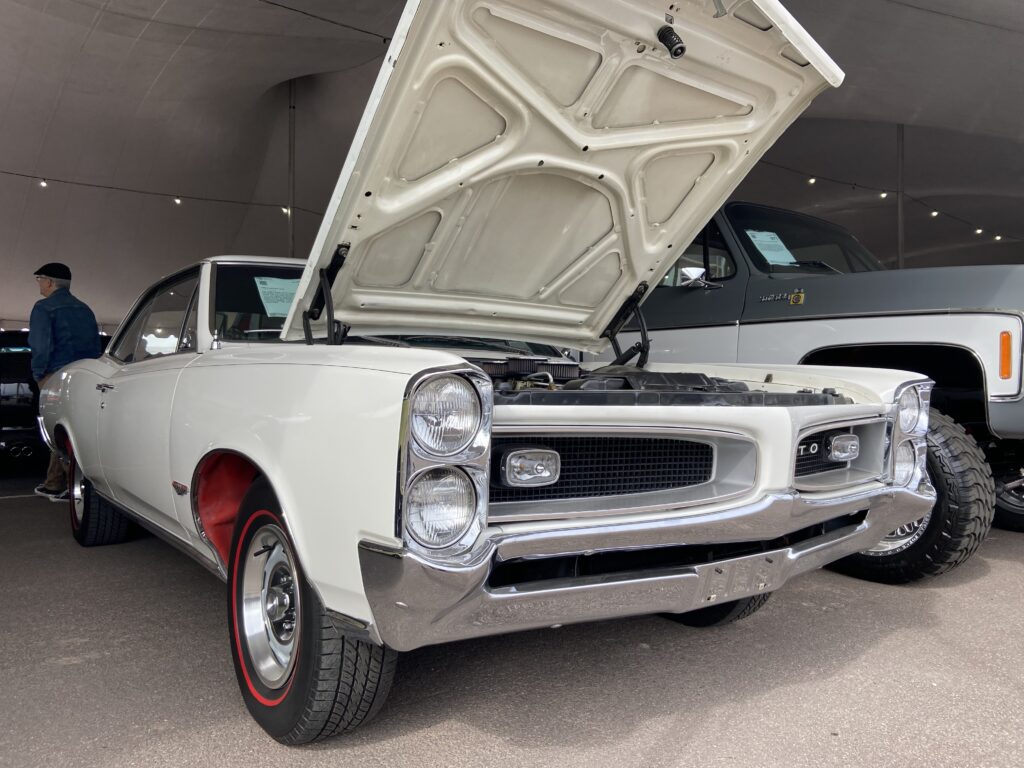
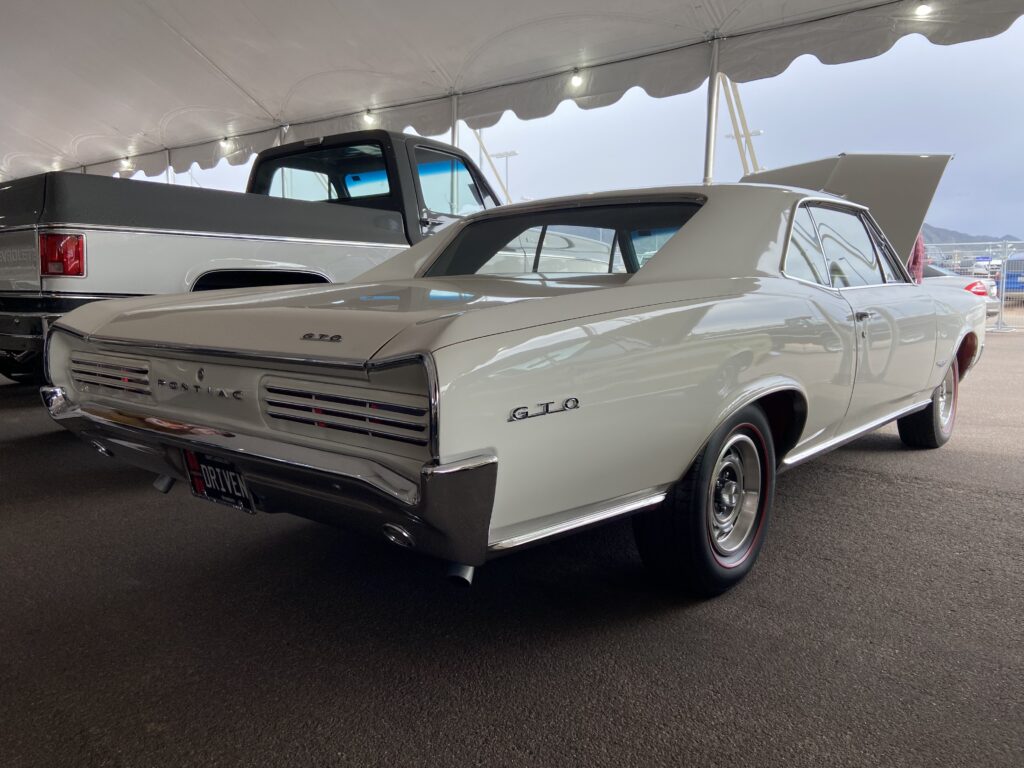
1966 Pontiac GTO – Barrett-Jackson 2023

Being an Oldsmobile fanatic, I subscribe to the theory that the 1949 Rocket 88 with it’s 135hp, 303 cubic inch OHV V8 is the original muscle car. To many others the original muscle car is the Pontiac GTO, and I can’t say that I have a good reason to disagree. The formula is simple: Take a mid-sized car and stick the larger engine from the full-size car in it. Add a couple extra go fast parts and a stick shift and you’re literally off to the races.

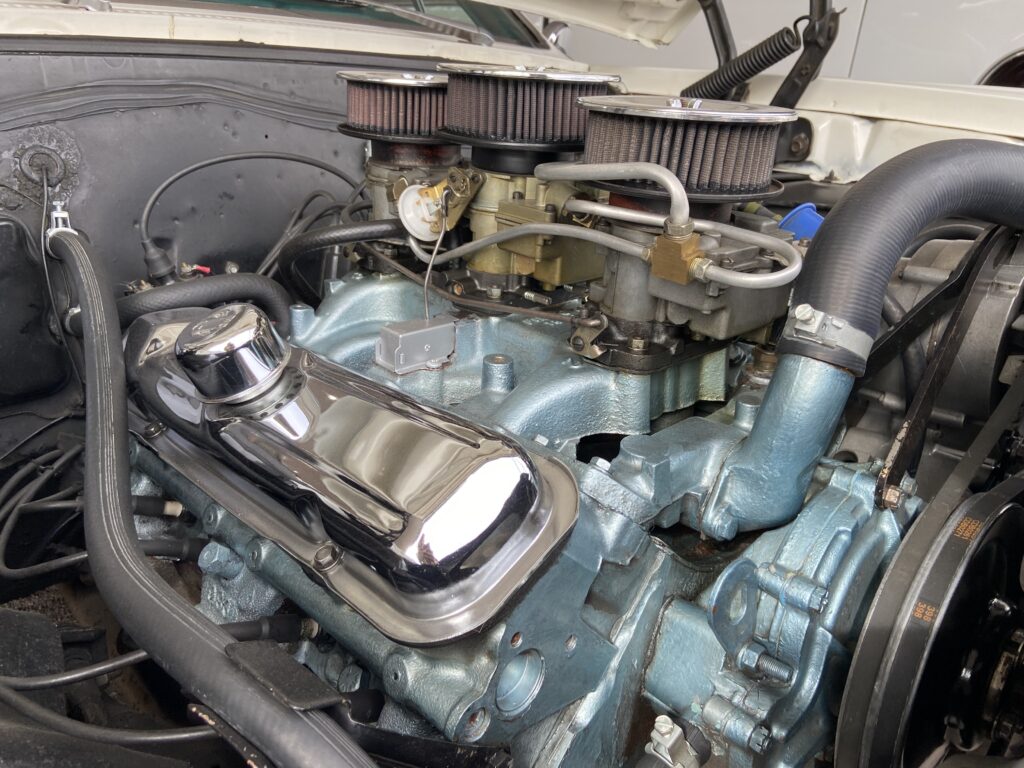
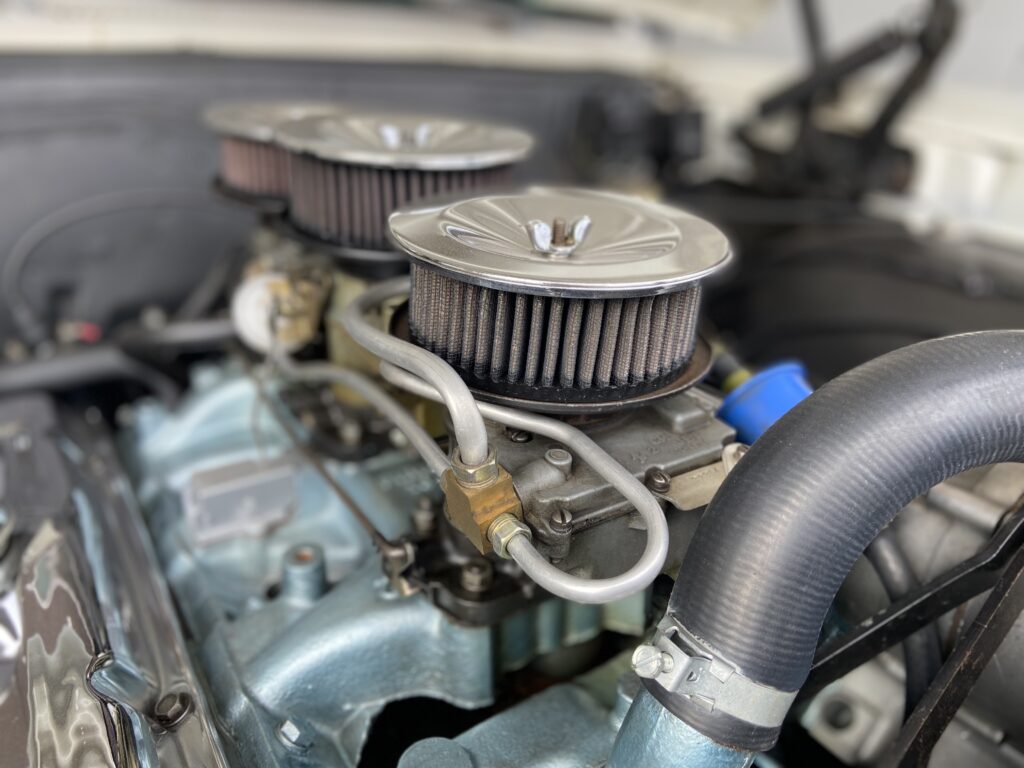
The Pontiac GTO began life in the early 60’s as a trim model of the Pontiac LeMans/Tempest. Using a creative loophole that circumvented the rule GM had about maximum displacement in midsized cars, Pontiac utilized the 389 V8 and offered it as the GTO option. I think that the Hurst 4-speed manual and tri-power carburetor setup on the 389 is the epitome of factory muscle car, and this 1966 model is the last year you could get this pairing. It was good for a gross rating of 360hp, and that could get you to the end of the 1/4 mile in 14 seconds flat.

Speaking of options, the ’66 GTO was also the first production car with a plastic grill, and this particular model came optioned with a 3.55:1 limited slip differential as well as the “Ride and Handling” package.

The GTO peaked in 1970 with the 455HO model and performance would be downhill until the GTO was relegated to a trim package on what was a badge-engineered Chevy Nova. The X-body platform Ventura took on the GTO name in 1974. An unceremonious end to the spark that ignited the muscle craze, this model would option the car with a 3-speed manual and 200hp V8.

Pontiac would then shelve the name, reviving it decades later for the Holden Monaro imports that lasted a couple years. Say what you will about the exterior styling, even the lesser 350hp 2004 GTO would lay waste to any prior car to bear the namesake. However it only remained in production in the US market until MY2006. Pontiac itself was retired not too long after in 2010.

This particular Goat was retired from the auction block at $66,000.